A gift basket doesn't need to cost much to feel generous. What separates a memorable one from a sad pile of snacks is not the total spend — it's the choices. Fifty dollars spent across four or five neighborhood shops will nearly always outshine fifty dollars spent on a pre-wrapped basket from a big-box aisle, because the person receiving it can feel the difference. The honey came from the farm stand two towns over. The coffee was roasted last week. The notebook was picked because they keep losing theirs.
Here's how to build one of those baskets from scratch, without blowing the budget or wandering the shops aimlessly.
Pick a Theme Before You Spend a Dollar
A theme is the difference between a basket and a bag of random stuff. It also protects your budget, because it gives you a reason to put things back on the shelf.
Good themes are specific and small: Sunday morning coffee, movie night at home, a desk that finally feels calm, first week in a new apartment, garden planning in February, winding down after work, hostess thank-you. Notice that none of these are "spa day" or "get well" — those are broad enough that you'll end up buying filler you don't need.
Write the theme down. Every item you add should pass one test: does this belong in that basket? If the answer is fuzzy, leave it.
Find the Container, Then Split the Budget
Start with what holds everything. Thrift stores, craft shops, and discount stores reliably have woven baskets, but the better move is a container the recipient will actually reuse: a canvas tote, a wooden crate, a mixing bowl, a colander, a small planter, a bread basket, a set of storage bins. When the container has a second life, the gift feels bigger than it is.
A workable split for a $50 basket looks something like this:
- $5–8 on the container
- $18–22 on two or three anchor items — the things that carry the theme
- $10–14 on three or four smaller supporting items
- $5–8 on something edible or drinkable
- $3–5 on paper shred, twine, and a card
Prices shift by town and season, so treat that as a shape rather than a rule. The important part is that anchors get the biggest slice. One excellent item beats five mediocre ones every time.
Where to Shop Locally, and What to Buy There
The whole point of shopping this way is that the items carry a place with them. Here's what each kind of local shop does best.
Food and drink
Bakeries, coffee roasters, spice shops, cheese counters, farmers markets, and chocolate makers are all anchor-item territory. A bag of locally roasted beans, a jar of honey from a nearby apiary, a bar of dark chocolate, a small tin of tea, a jar of jam, a packet of good crackers, a bottle of olive oil, a spice blend you can't find in the supermarket.
Two practical notes. First, think about when the basket will be opened — dairy, meat, and anything that needs refrigeration don't belong in a basket that sits on a desk for three days. Second, if the recipient has allergies or dietary restrictions, either ask quietly beforehand or keep the food items sealed and clearly labeled so nothing has to be guessed at.
Home and everyday shops
Independent hardware stores are underrated for gifts: a sturdy tea towel, a beeswax candle, a good pair of garden gloves, a small brass plant mister, a jar of hand salve, a compact flashlight. Garden centers sell seed packets, herb starts, and small succulents for a few dollars each. If your town has a pharmacy or general store, nice soap, lip balm, and hand cream make solid fillers.
Books, paper, and small extras
An indie bookstore can supply a paperback, a notebook, or a nice pen. Stationery shops have notecards and postcards, which cost almost nothing and photograph beautifully in a basket. Gift shops often stock local prints, magnets, and stickers that add a sense of place without adding much cost.
Assemble It So It Looks Deliberate
Tossing items in and hoping works less well than it seems. A few minutes of arrangement changes everything.
- Line the bottom. A layer of kraft paper shred, tissue, or a folded cloth napkin lifts everything and hides the container's base.
- Place the tallest, heaviest items at the back. Bottles, jars, and boxes go behind; small things come forward.
- Group in threes. Odd numbers read as arranged rather than counted out.
- Vary the heights. If everything sits level, nothing stands out. Let one item poke above the rim.
- Fill the gaps. Loose space makes a basket look thin, so tuck in shred, a rolled tea towel, or a small bag of coffee to close it up.
- Leave one thing for the top. A card, a sprig of rosemary, or a small wrapped chocolate placed last gives the eye somewhere to land.
- Skip the cellophane unless you're traveling with it. A ribbon of twine and a handwritten tag usually look better.
Keep the card readable from the outside. If you wrote a note, don't bury it under the cheese.
Three Baskets You Can Copy
- Slow morning: a bag of local coffee, a ceramic mug, a small jar of honey, a bakery scone, and a paperback — in a canvas tote.
- Movie night: a box of good popcorn, two chocolate bars, a bottle of craft soda, a cozy pair of socks, and a streaming gift card if the budget allows — in a wooden crate.
- New apartment: a tea towel, a small cutting board, dish soap in a nice bottle, a spice jar or two, a notepad, and a set of keys-and-mail tray items — in a colander.
Timing, Delivery, and the Note
Buy perishables last, on the day you're handing the basket over. Keep it out of a hot car. If you're shipping it, drop anything that melts and lean on shelf-stable items like coffee, tea, soap, books, and textiles — and pack it tightly so nothing shifts.
The note is where a $50 basket starts to feel like $150. Skip the printed card if you can. Write two or three sentences that mention something specific: a running joke, a thing they mentioned wanting, the reason you thought of them this week. That's the part people keep.
Then set a small rule for yourself next time: one theme, one container, three anchors, and the rest filled in from shops you can walk to. It gets easier every time, and the baskets get better.
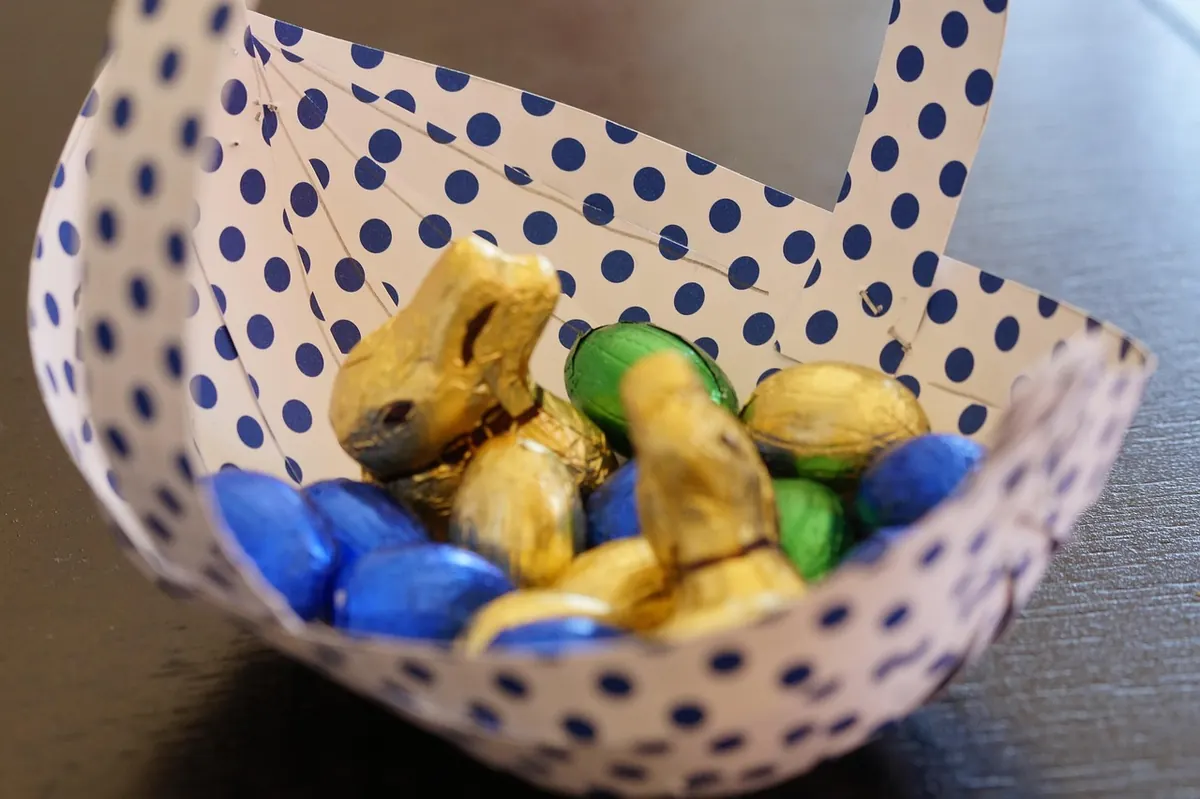
Photo: Efraimstochter / Pixabay