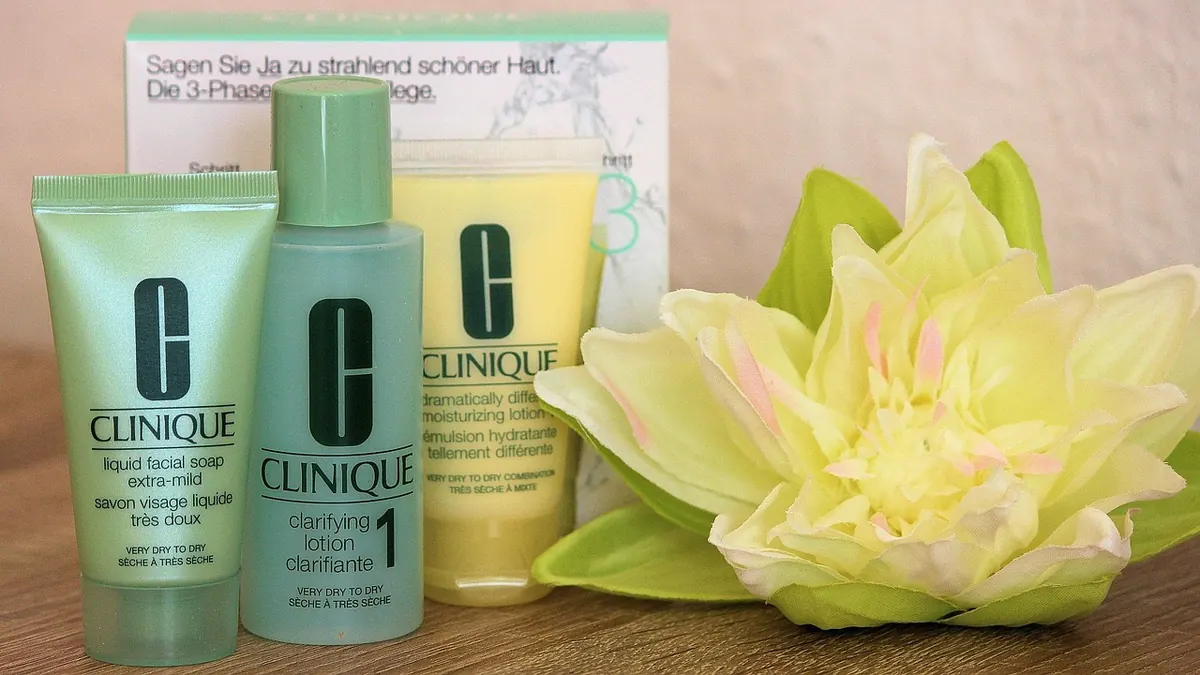
Stand in front of a beauty shelf at an Elmwood shop and the words start to blur: clean, green, natural, non-toxic, plant-powered, free-from. Every jar sounds like it belongs at a farm stand, and every label seems to promise roughly the same thing. So how do you choose?
The honest answer is that nobody hands you a decoder ring. "Clean" and "natural" aren't tightly regulated terms for cosmetics the way "organic" is for food, which means a brand can use them however it likes. That's not a reason to give up on the shelf. It's a reason to build a few habits that make you a sharper shopper in about ten minutes flat.
Decide What "Clean" Means to You First
Ask five people what clean beauty means and you'll get five answers. One person means fragrance-free. Another means no silicones. A third means cruelty-free, and a fourth means the packaging goes in the recycling bin without guilt. Before you pick up a single bottle, pick your two or three non-negotiables.
Common priorities shoppers bring to Elmwood counters:
- Fragrance. Either the word "fragrance" or "parfum," or added essential oils, which can be irritating for sensitive skin.
- Preservatives. Some people avoid specific ones; others want to know a water-based product has some preservation system at all.
- Animal testing. Look for a clear cruelty-free statement, not a bunny drawing with no explanation.
- Ingredients you've reacted to before. This matters more than any trend. Your skin's history beats a marketing claim every time.
- Budget and packaging. A refillable option you'll actually use is cleaner than a "natural" bottle you toss after a week.
Write your list in your phone notes. It keeps you from being talked into something that isn't your priority.
Read the Back of the Bottle Before the Front
The front is advertising. The back is information. Ingredient lists follow a standard format, usually with scientific names, listed in descending order of concentration down to about the one percent mark. Water, listed as aqua or water, is frequently first — that's normal and not a trick.
Some practical reads:
- The first five ingredients tell you most of what the product actually is.
- Long, unpronounceable names aren't automatically bad. Many are standard, well-studied ingredients. Learn the handful you personally want to avoid rather than fearing the whole alphabet.
- "Fragrance" and "parfum" are catch-all terms that can cover dozens of compounds. If scent is your issue, that's the word to watch.
- Alcohol, acids, and exfoliants near the top of a list usually mean a stronger product. That's fine for some skin, harsh for others.
If a cream or lotion contains water and claims to have no preservative system whatsoever, treat that as a question to ask rather than a selling point. Water-based products and microbes are old friends.
Front-of-Label Words That Do the Least Work
These terms show up constantly and carry very little weight, because there's no single standard every brand must meet:
- Natural. Poison ivy is natural. So is lead. The word describes origin, not safety.
- Chemical-free. Water is a chemical. So is vitamin C. The phrase is meaningless.
- Non-toxic. Flattering, unregulated, and self-applied.
- Hypoallergenic and dermatologist tested. These suggest testing happened; they don't mean the product is guaranteed safe for your skin in particular.
- Clean. A vibe, not a certification.
None of this means the product is bad. It means the front of the package isn't going to make the decision for you, so you may as well enjoy the nice design and flip the bottle over.
Questions Worth Asking the Person Behind the Counter
This is where shopping in a neighborhood beats scrolling a website. Staff at small shops often know the lines they carry, and a good one will happily talk you out of a purchase that doesn't fit what you described. Go in with specifics:
- Which of these would you suggest for skin that reacts easily to fragrance?
- Do you have samples or a tester I can try before buying the full size?
- What's your return policy if my skin doesn't agree with it?
- Is this brand cruelty-free, and how do they state it?
- Which of these comes in a refill or a smaller size?
- Have customers mentioned any complaints about this one?
You're allowed to ask all six. You're also allowed to say "I'll think about it" and walk out. A shop that makes you feel bad about that isn't the shop for you.
Test Small, Change One Thing at a Time
Buying a full-size serum and discovering a reaction on day two is an expensive lesson. Patch test on your inner forearm and wait a day or two before using anything on your face. Then introduce one new product at a time, with at least a week in between, so you know what caused what.
Keep your receipt and note the date you opened the product. If your skin stings, itches, swells, or breaks out, stop using it. Ongoing irritation, a rash that spreads, or anything involving your eyes deserves a call to a dermatologist or pharmacist rather than a guess from a shelf.
Why Shopping Locally Helps Here
Small shops carry smaller brands, and smaller brands are often the ones with a short, readable ingredient list and a founder who answers emails. You can smell a product before buying it. You can test a texture on the back of your hand instead of trusting a photo. You can bring back a jar that didn't work and talk it through with a person.
There's also a quieter benefit: a staff member who sees you twice a month starts remembering your skin, your preferences, and the one ingredient you can't stand. That kind of memory is hard to get from a recommendation engine.
Your Next Elmwood Beauty Run, in Five Minutes
Before you leave the house, jot down your two or three priorities. In the shop, head for the back of the label first. Ask about samples. Test before you commit to a full size. If two products look equal, pick the refillable one or the one whose maker plainly lists every ingredient.
You don't need to memorize a chemistry textbook or overhaul your shelf overnight. You need a short list, a habit of turning the bottle around, and the confidence to ask one more question before you pay. That's enough to shop the aisle on your own terms.
Photo: puderundpinsel / Pixabay