Saturday morning in Elmwood has a rhythm to it: coffee in one hand, canvas bag in the other, and a slow walk past tables of greens still cool from the field. The trick to a market run that actually feeds you all week isn't buying more. It's buying with a loose plan, then letting the best things on the table nudge that plan an inch or two.
What follows is a workable system for turning one trip into five or six days of real dinners — the kind you can pull together after work without a recipe, a second shopping trip, or a sink full of pans.
Count the Meals You'll Actually Cook
Before you leave the house, do a quick honest inventory. Most households cook four dinners, eat leftovers once, and end up somewhere else on the remaining night. Add a lunch or two and one breakfast worth sitting down for, and you have a realistic target.
Aiming for seven dinners is how good produce dies in the crisper drawer. Four dinners plus a lunch is a win, and it costs less.
Walk the Market in Two Passes
The first pass is reconnaissance. No bag opening, no decisions. You're looking for what's genuinely good this week — the spinach that's crisp instead of limp, the tomatoes that smell like tomatoes, the peaches that give slightly at the stem. What's best on the table should shape your menu, not the other way around.
The second pass is when you buy. A simple order keeps you from doubling back:
- Greens and tender vegetables first. They're the most fragile, and you want them home soonest.
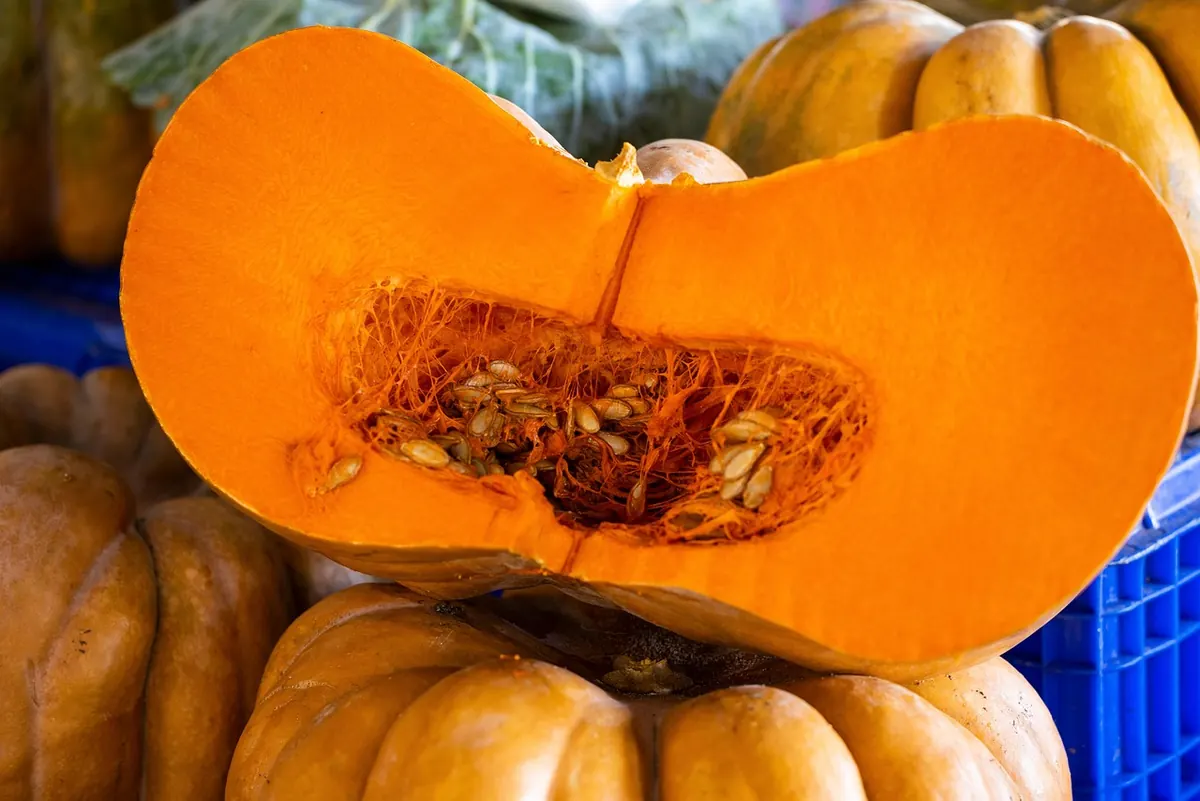
- Roots, cabbage, squash and onions next. These hold for a week or more, so buy generously.
- Fruit. Buy what you'll eat out of hand plus a little extra for a crumble, a salad, or a jar of something.
- Protein, cheese and bread. Eggs, sausage, a chicken, a wedge of something sharp, one good loaf.
- Herbs and one pantry-ish treat last. A bunch of dill, a jar of pickles, a bag of dried beans — the small things that make plain food taste intentional.
Buy what looks best, then decide what to cook. The table writes a better menu than your recipe app.
A Sample Week's Haul
Quantities depend on how many you're feeding, but the categories matter more than the numbers. A haul built around these eleven items can stretch a long way:
- Two bunches of cooking greens — kale, chard, collards, whatever's cut that morning
- One head of cabbage or a couple heads of broccoli
- Three or four pounds of whatever's in season and abundant — tomatoes, zucchini, peppers, green beans
- Two pounds of new potatoes or sweet potatoes
- An onion-family item: leeks, scallions, a red onion
- Two pints of berries or stone fruit
- A dozen eggs
- A loaf of good bread
- A hunk of cheese
- One bunch of soft herbs
- One protein: a whole chicken, a pound of sausage, or fish if the truck came in
Notice how much of that list does double duty. Eggs become dinner one night and breakfast another. Bread is toast on Monday and croutons by Thursday. Cheese finishes a salad, a frittata, and a plate of pasta.
Three Anchors, Then Remix
The week gets easy when you cook three flexible things on Sunday and assemble from there. None of them should take more than an hour of mostly hands-off time.
The big roast
A chicken, a tray of sausage and peppers, or a sheet pan of roots and onions. Eat some hot. Shred or slice the rest and refrigerate.
The base
A pot of rice, farro, or beans. Plain, lightly salted, ready to absorb whatever you put on top. Cook more than you think you need.
The sauce
Something bright and spoonable: an herb sauce whizzed with oil and vinegar, a quick tomato sauce, a lemony yogurt. This is what keeps the same ingredients from tasting like the same meal four nights running.
From those three, dinner is a formula: base plus anchor plus sauce plus something crunchy. Shredded chicken over rice with herb sauce and sliced cucumber. Sausage over farro with tomato sauce and toasted breadcrumbs. Beans with greens wilted in and yogurt spooned over the top. Twenty minutes, one pan, no shopping.
Tuesday Is for the Frittata
By midweek, you'll have odds and ends: a handful of greens, half an onion, the last of the cheese, a few potatoes. That's a frittata, a hash, or a big salad with a jammy egg on top. Call it the clean-out meal and put it on the calendar so it doesn't feel like failure.
Save the softest fruit for this night too. Berries past their prime are better in a quick compote or folded into yogurt than on a plate.
Store It Like You Hate Waste
Most market disappointment happens in the refrigerator, not the kitchen. A few habits make a real difference:
- Wash and dry greens, then store them in a container lined with a clean dish towel. Damp greens rot; dry greens last.
- Keep herbs upright in a glass with an inch of water, loosely covered, or roll them in a damp towel.
- Don't wash berries until you're about to eat them.
- Leave tomatoes and stone fruit on the counter until ripe, then move them to the fridge only if you need to slow them down.
- Keep potatoes and onions cool, dark, and apart from each other.
- Bread goes in paper first, then a bag. Slice only what you're using.
Refrigerate perishables promptly, and trust your nose and eyes over the calendar. If something looks or smells off, throw it out — and if you're cooking for anyone with a compromised immune system, allergies, or specific dietary needs, check with a qualified health professional about what's safe for them.
Make Saturday a Standing Appointment
Once this becomes a habit, the market stops feeling like an errand and starts feeling like the easiest part of the week. You'll learn which vendor's greens hold best, who brings the good bread early, and when the tomatoes hit their peak. Prices shift with the season and the grower, so ask what's abundant and what's ending — the answer is usually your best deal and your best dinner.
Go with a number in mind rather than a fixed list. Buy the best of what's there. Cook three things on Sunday, then spend the week putting them together in different ways. That's a week of meals, one bag, one morning.
Photo: Engin_Akyurt / Pixabay