A walnut dresser from an estate sale off the north end of Elmwood, a glass-and-steel coffee table that arrived in a flat box, and a brass lamp your grandmother left you. On paper, those three things have nothing to say to each other. In a room, placed with a little patience, they can look like they were always meant to be there.
That is the whole trick of mixing vintage and new. It rarely comes down to finding rare treasures. It comes down to knowing which old piece should lead, which new piece should stay quiet, and where the two should simply get out of each other's way.
Start With What You Already Own
Before you buy anything, walk through your home and pull out the pieces you would keep even if you moved to a smaller place. Not the ones that match, and not the ones that were expensive. The ones you actually like looking at.
Set them in one room and photograph the group. Seeing your furniture flattened into a phone screen does something useful: it shows you where the color is, where the wood tones repeat, and where there is a gap. Usually the gap is obvious within a minute. Maybe everything you own is medium brown. Maybe you have nothing with weight or darkness. Maybe you have five small tables and no surface wide enough to put a book on.
That photo is your shopping list. Everything after this is just filling holes.
Let One Piece Lead the Room
Every collected-looking room has an anchor: the largest or most characterful object, the one the eye lands on first. It might be a carved oak sideboard, a mid-century credenza, or a chipped enamel sign you found at a flea market. Choose one, then treat it as the rule the rest of the room has to follow.
Take your palette from it. If the anchor is warm honey oak, lean your new pieces toward cream, charcoal, olive, and natural linen rather than cool gray or icy blue. If your anchor is a black metal-and-glass piece, vintage brass and warm wood will keep the room from going cold and clinical.
Then give it air. Vintage furniture tends to be lower, chunkier, and more detailed than modern pieces, and it needs room around it to read as a deliberate choice rather than clutter. Leave a clear stretch of wall beside a tall old armoire. Keep the surface of a vintage table at least half empty. A crowded antique looks like storage. A spare one looks like style.
Mixing Wood Tones Without Creating Mud
The fear of mismatched wood is what pushes most people toward matching bedroom sets, which is exactly what makes a room look flat. Mixed wood is fine. What looks muddy is three or four pieces in the same middle-of-the-road brown, all with the same orange undertone.
- Use contrast, not similarity. A dark espresso piece, a pale ash piece, and a mid-tone walnut piece read as intentional. Three mid-browns read as an accident.
- Repeat each tone at least twice. If you introduce dark wood on a coffee table, echo it somewhere small, like a picture frame or a tray, so it looks chosen.
- Let a rug or textile do the bridging. A rug that contains both your warm old wood and your cool new paint color ties the room together better than any matching furniture would.
- Be careful with refinishing. Stripping and staining a solid wood antique can work, but veneer, inlay, and older finishes rarely survive it well. If a piece has good bones and one bad spot, try a wax or a light cleaning before you commit to a full refinish.
Where to Look Around Elmwood
Good vintage comes from a handful of predictable places, and each one rewards a different kind of shopper.
- Antique shops and co-ops. Higher prices, better condition, and staff who know their stock. Ask to be put on a call list for a specific item, like a round mirror or a small writing desk. It works more often than people expect.
- Estate sales. Arrive in the first hour for the best pieces, or on the last day for the deepest discounts. Bring cash, and bring a tape measure.
- Thrift and charity shops. Best for lamps, frames, ceramics, and small wooden pieces. Check lamp cords carefully; older wiring is not something to gamble on, and a qualified electrician should rewire anything that looks cracked, brittle, or cloth-covered.
- Architectural salvage. Ideal for hardware, knobs, hinges, mantels, and doors. Replacing modern builder-grade knobs with old brass ones is one of the cheapest ways to age a room.
- Consignment and vintage furniture shops. Usually the most curated option, and the easiest place to find a single large anchor piece.
- Online marketplaces and neighborhood groups. Measure your doorway, your stairwell, and your car before you go. A dresser that does not fit through the door is not a bargain.
Choosing New Pieces That Can Hold Their Own
Modern furniture earns its place when it does a job your vintage cannot. Seating, especially, is better new: cushions that support you, fabric that survives a household, and frames that do not creak. The same goes for anything with a safety component.
Beyond that, look for new pieces that are quiet and simple in shape. A clean-lined sofa in a solid neutral, plain linen curtains hung high and wide, a plain round mirror, a matte black floor lamp, a jute or wool rug in a single texture. None of these are exciting on their own. All of them let your vintage pieces do the talking.
What to skip: reproductions that imitate age badly. Faux-distressed finishes, plastic "antique" frames, and factory-faded paint tend to make real old pieces nearby look shabby rather than charming. If you cannot afford the real thing, buy something honestly new and plain instead of something pretending to be old.
The Finishing Layer
Once the big pieces are placed, the room usually looks correct but not yet personal. That is the layer you build last, and it is where most of the warmth comes from.
Mix at least three textures in any seating area: something woven, something smooth, something soft. Add one lamp with a warm bulb at a low height so the room has a pool of light, not just an overhead glare. Hang art at eye level rather than near the ceiling, and mix framed prints with one or two odd things, like a plate, a mirror, or a piece of old signage.
Then stop. Negative space is what makes a collection look curated rather than accumulated. If a surface feels empty, leave it empty for a week before you fill it.
A Simple Way to Start This Weekend
- Clear the room's surfaces completely. Put everything in a box and set it in the hall.
- Choose your anchor piece and put it back in the room first.
- Place your largest modern piece directly across from it, so the two have a conversation rather than a competition.
- Add only the pieces you missed from the box. Leave the rest in the hall for a week.
- Buy one vintage item and one new item. No more than that in a single trip.
- Live with the arrangement for a week before you move anything. A room you have not adjusted yet is not a room that has failed.
The best-mixed rooms in Elmwood were not decorated in one weekend. They were built slowly, one estate sale and one honest new purchase at a time, until the old and the new stopped arguing and started holding each other up. Start with one corner. The rest follows.
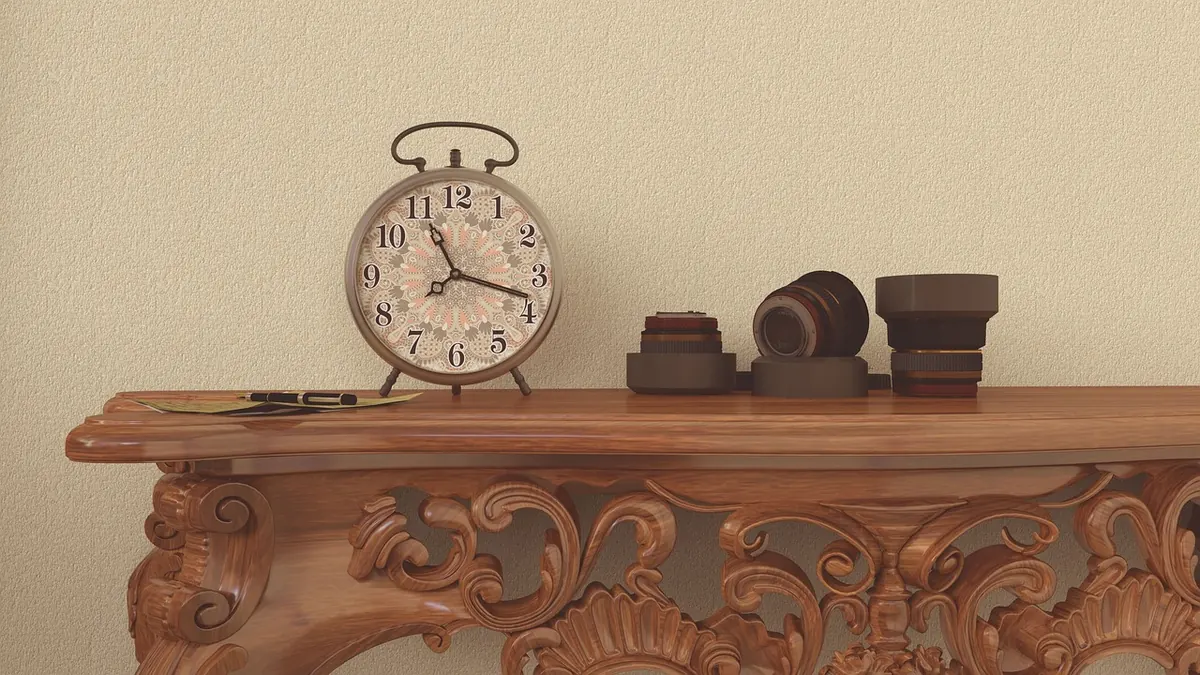
Photo: Monoar_CGI_Artist / Pixabay